

Truck Loan Finance Online :: News
SHARE

Share this news item!

What Softer Machinery Demand Means for Farm Finance Decisions

A more cautious equipment market is putting repayment planning back in focus

What Softer Machinery Demand Means for Farm Finance Decisions?w=400

The information on this website is general in nature and does not take into account your objectives, financial situation, or needs. Consider seeking personal advice from a licensed adviser before acting on any information.

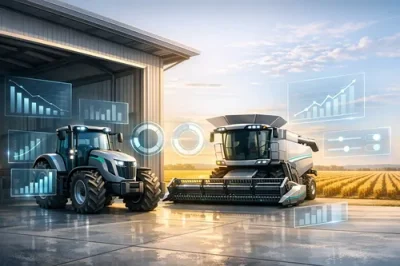
Recent agribusiness coverage is pointing to a more cautious mood in the farm machinery market, with producers appearing more selective about major equipment purchases after several years of high prices, supply disruptions and intense demand for new plant.
For many Australian farms, this is not simply a machinery story.
It is a finance signal.

When tractor, header, seeder or spraying equipment decisions slow down, it often reflects a broader reassessment of cash flow, seasonal risk and borrowing appetite. Even where seasonal conditions are improving, producers are still weighing higher repair costs, labour constraints, freight expenses and interest costs against the productivity gains that newer machinery can deliver.

The key issue for farm businesses is timing. Machinery upgrades are usually justified by efficiency, reliability and capacity, but repayments begin well before the full benefit is always realised. A new piece of equipment may reduce downtime, improve fuel use or support a larger cropping program, yet the finance structure still needs to match the farm’s income cycle. Monthly repayments may suit some enterprises, while seasonal or interest-only arrangements may be more appropriate where revenue is concentrated after harvest or livestock sales.

This is where farmers should avoid looking at the purchase price in isolation. Trade-in value, deposit size, residual or balloon payments, term length, GST treatment, servicing costs and insurance can all change the real cost of ownership. Before signing an order, it is worth taking time to model repayments under more than one interest rate scenario, particularly if the business is already carrying land, livestock or working capital debt.

A softer machinery market may also create opportunities. Dealers may be more willing to negotiate on certain models, and good second-hand equipment can be attractive where the numbers stack up. However, cheaper does not always mean better if repairs, parts availability or downtime undermine the saving. The right decision is the one that supports production without putting too much pressure on operating cash.

For borrowers, lender appetite can vary significantly depending on the asset, age of equipment, deposit, security position and recent financial performance. Farms with irregular income or expansion plans may benefit from specialist finance support to compare structures across lenders rather than accepting a one-size-fits-all repayment schedule.

The broader lesson is that equipment finance should be treated as part of the farm’s whole funding plan, not a standalone transaction. In an environment shaped by input cost pressure and shifting confidence, disciplined machinery finance can help producers invest for productivity while preserving the flexibility needed for the next season.

Published:Tuesday, 18th Aug 2026
Author: Paige Estritori

Please Note: We do not endorse any specific products or companies. Some content is sourced from third parties, including press releases, and may not be independently verified for accuracy or completeness.

Share this news item:

Rate this article

0 Comments

No comments yet. Be the first to share your thoughts.

Finance News

What the Latest RBA Rate Pause Means for Loan Decisions
20 Aug 2026: Paige Estritori
The Reserve Bank of Australia’s latest decision to leave the cash rate unchanged has given borrowers another holding pattern rather than clear relief. For households and small businesses, the key message is that borrowing costs may remain elevated until policymakers are more confident inflation is moving sustainably lower. - read more
Why the Tow Vehicle Trend Still Matters for Caravan Buyers
20 Aug 2026: Paige Estritori
Australia’s latest new-vehicle sales updates continue to underline a practical point for caravan buyers: the caravan is only one part of the purchase decision. Strong interest in utes, large SUVs and higher-capacity touring vehicles shows that many households are still prioritising towing ability, long-distance comfort and weekend versatility, even while broader cost-of-living pressures remain front of mind. - read more
What a Softer Vehicle Market Means for Your Next Car Loan
20 Aug 2026: Paige Estritori
Australia’s vehicle market is showing signs of a more cautious buyer mood, with recent industry updates pointing to softer momentum after a strong run in new-car demand. For households and small businesses, that shift matters because it can change the balance of power at the dealership. When stock levels improve and buyers become more selective, driveaway offers, trade-in negotiations and model availability can all become more flexible. - read more
More Cars on Lots Could Shift Loan Negotiations
20 Aug 2026: Paige Estritori
Australia’s new-car market is moving into a more buyer-friendly phase as stock levels improve across several brands and segments. After years of constrained supply, long delivery waits and limited negotiating power, more vehicles appearing in showrooms is changing the conversation. For buyers, the headline benefit is obvious: better access to models, colours and specifications, plus a greater chance of securing a drive-away discount or factory-backed incentive. - read more


Truck Loans Articles

How to Choose the Right Financing Options for Your Fleet
When it comes to managing a fleet, the financial decisions you make can significantly influence your business operations. Understanding the impact of fleet costs is crucial, as it helps in ensuring the sustainability and efficiency of your operations. High fleet costs can eat into your profits, making it vital to find cost-effective solutions. - read more
Understanding the Basics of Truck Financing
Truck financing is a financial solution that enables Australian businesses to acquire trucks without the need for substantial upfront payments. This type of financing is essential for many enterprises relying on trucks for their day-to-day operations, from logistics companies to construction firms. - read more
Lease vs Buy: What’s Best for Your Business Truck Investment?
For many businesses across Australia, trucks are not just vehicles—they're an integral part of operations. Whether it's delivering goods, providing services, or transporting raw materials, having a reliable truck can make all the difference in ensuring smooth business operations. - read more
A Comprehensive Guide to Chattel Mortgages for Truck Financing
If you're running a business in Australia, trucks might be a crucial component of your operations. Whether for transportation, delivery, or service, trucks play a vital role in ensuring business efficiency and success. However, acquiring these vehicles is not always straightforward, leading many business owners to face the lease vs buy dilemma. Understanding the right financing option for trucks can significantly impact your business's financial health. - read more


Free Assessment

Loan Amount:
Postcode:

All quotes are provided obligation-free by a participating broker from our national referral partner network. We respect your Privacy.


Knowledgebase
Balloon Payment.:
A large loan repayment made in order to clear a debt. Usually applied to a short-term fixed-rate loan, which involves small payments for a certain period of time with one large payment for the remaining amount of the principal at a time specified in the future.