

Truck Loan Finance Online :: News
SHARE

Share this news item!

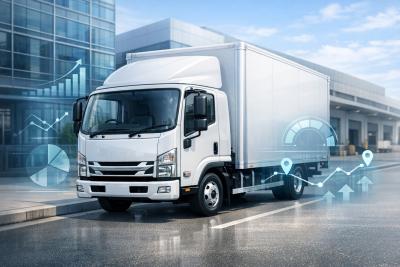
What Isuzu’s New Truck Range Means for Business Buyers

Safety, emissions and running costs are reshaping purchase plans

What Isuzu’s New Truck Range Means for Business Buyers?w=400

The information on this website is general in nature and does not take into account your objectives, financial situation, or needs. Consider seeking personal advice from a licensed adviser before acting on any information.

Australia’s truck market is moving into a new buying cycle, with Isuzu’s latest model range putting a sharper focus on safety, emissions performance, driver comfort and connected technology.
For owner-operators and small fleet businesses, the announcement is more than a product update.
It is a reminder that truck purchasing decisions are increasingly tied to whole-of-life cost, compliance expectations and the ability to keep vehicles earning without avoidable downtime.

Isuzu has long been a dominant name in light and medium-duty transport, particularly for trades, local delivery, refrigerated work and urban freight. The latest range reflects where the broader market is heading: cleaner diesel technology, more assistance systems, better visibility and cabins designed for longer working days. Those upgrades can improve productivity and may help reduce operational risk, but they can also lift the initial purchase price compared with older stock.

That is where finance planning becomes important. A newer truck may cost more upfront, yet deliver savings through fuel efficiency, warranty coverage, lower maintenance exposure and stronger resale appeal. A cheaper used truck may still suit some routes and budgets, but buyers need to weigh the risk of older emissions technology, higher repair costs and potential downtime. The smartest choice is rarely based on sticker price alone.

For businesses preparing to upgrade, the key is to match the truck to confirmed work, not simply to the newest badge. Payload, body fit-out, expected kilometres, depot access, driver requirements and customer expectations should all shape the decision. Once the specification is clear, operators can compare finance structures such as chattel mortgage, lease-style arrangements or secured commercial loans to see which option best supports cash flow and tax planning.

Rising equipment costs also make repayment modelling essential. Before signing an order, buyers should model repayments across different deposits, terms, rates and balloon settings. This can show whether the business can absorb quieter months, fuel price swings or delayed customer payments without straining working capital. It also helps identify whether a shorter term, larger deposit or different truck class may deliver a safer outcome.

The broader message from Isuzu’s latest release is clear: modern trucks are becoming more capable, but also more financially strategic. For Australian transport businesses, the right upgrade can strengthen efficiency, driver retention and customer service. The wrong structure can create pressure long after the truck leaves the dealership. Careful finance preparation should therefore sit alongside vehicle comparison as part of every purchase decision.

Published:Friday, 31st Jul 2026
Author: Paige Estritori

Please Note: We do not endorse any specific products or companies. Some content is sourced from third parties, including press releases, and may not be independently verified for accuracy or completeness.

Share this news item:

Rate this article

0 Comments

No comments yet. Be the first to share your thoughts.

Finance News

What the Latest Sydney Boat Show Means for Boat Buyers
31 Jul 2026: Paige Estritori
Sydney’s peak winter boating showcase has again put the buying journey under the spotlight, with the latest Sydney International Boat Show giving shoppers a concentrated view of new boats, engines, electronics, trailers, accessories and on-water display craft. For buyers weighing up a first vessel or an upgrade, the value is not just in seeing glossy releases; it is in comparing real-world packages side by side before committing to a boat loan. - read more
What Isuzu’s New Truck Range Means for Business Buyers
31 Jul 2026: Paige Estritori
Australia’s truck market is moving into a new buying cycle, with Isuzu’s latest model range putting a sharper focus on safety, emissions performance, driver comfort and connected technology. For owner-operators and small fleet businesses, the announcement is more than a product update. It is a reminder that truck purchasing decisions are increasingly tied to whole-of-life cost, compliance expectations and the ability to keep vehicles earning without avoidable downtime. - read more
ATO Debt Pressure Puts Cash Flow Planning Back in Focus for SMEs
31 Jul 2026: Paige Estritori
The Australian Taxation Office’s firmer approach to outstanding business tax debt is sharpening the cash flow challenge for small and medium-sized enterprises. After several years in which many businesses relied on payment plans or delayed tax obligations to preserve working capital, the environment is becoming less forgiving. For owners, that means tax debt can no longer sit at the edge of the finance plan. It needs to be treated as a core liability alongside wages, suppliers, rent and loan repayments. - read more
Why Caravan Buyers Should Pay Close Attention to Vehicle Loan Rate Gaps
31 Jul 2026: Paige Estritori
Recent updates across Australian vehicle loan comparison sites point to a familiar but important message for buyers: advertised rates across car and leisure-asset finance can still vary meaningfully between lenders. For caravan shoppers, that gap matters because even a small difference in the rate, term or fee structure can change the total cost of the holiday lifestyle they are planning. - read more


Truck Loans Articles

Understanding the Basics of Truck Financing
Truck financing is a financial solution that enables Australian businesses to acquire trucks without the need for substantial upfront payments. This type of financing is essential for many enterprises relying on trucks for their day-to-day operations, from logistics companies to construction firms. - read more
How to Choose the Right Financing Options for Your Fleet
When it comes to managing a fleet, the financial decisions you make can significantly influence your business operations. Understanding the impact of fleet costs is crucial, as it helps in ensuring the sustainability and efficiency of your operations. High fleet costs can eat into your profits, making it vital to find cost-effective solutions. - read more
Lease vs Buy: What’s Best for Your Business Truck Investment?
For many businesses across Australia, trucks are not just vehicles—they're an integral part of operations. Whether it's delivering goods, providing services, or transporting raw materials, having a reliable truck can make all the difference in ensuring smooth business operations. - read more
A Comprehensive Guide to Chattel Mortgages for Truck Financing
If you're running a business in Australia, trucks might be a crucial component of your operations. Whether for transportation, delivery, or service, trucks play a vital role in ensuring business efficiency and success. However, acquiring these vehicles is not always straightforward, leading many business owners to face the lease vs buy dilemma. Understanding the right financing option for trucks can significantly impact your business's financial health. - read more


Free Assessment

Loan Amount:
Postcode:

All quotes are provided obligation-free by a participating broker from our national referral partner network. We respect your Privacy.


Knowledgebase
Yield:
The income return on an investment, such as the interest or dividends received from holding a particular security.